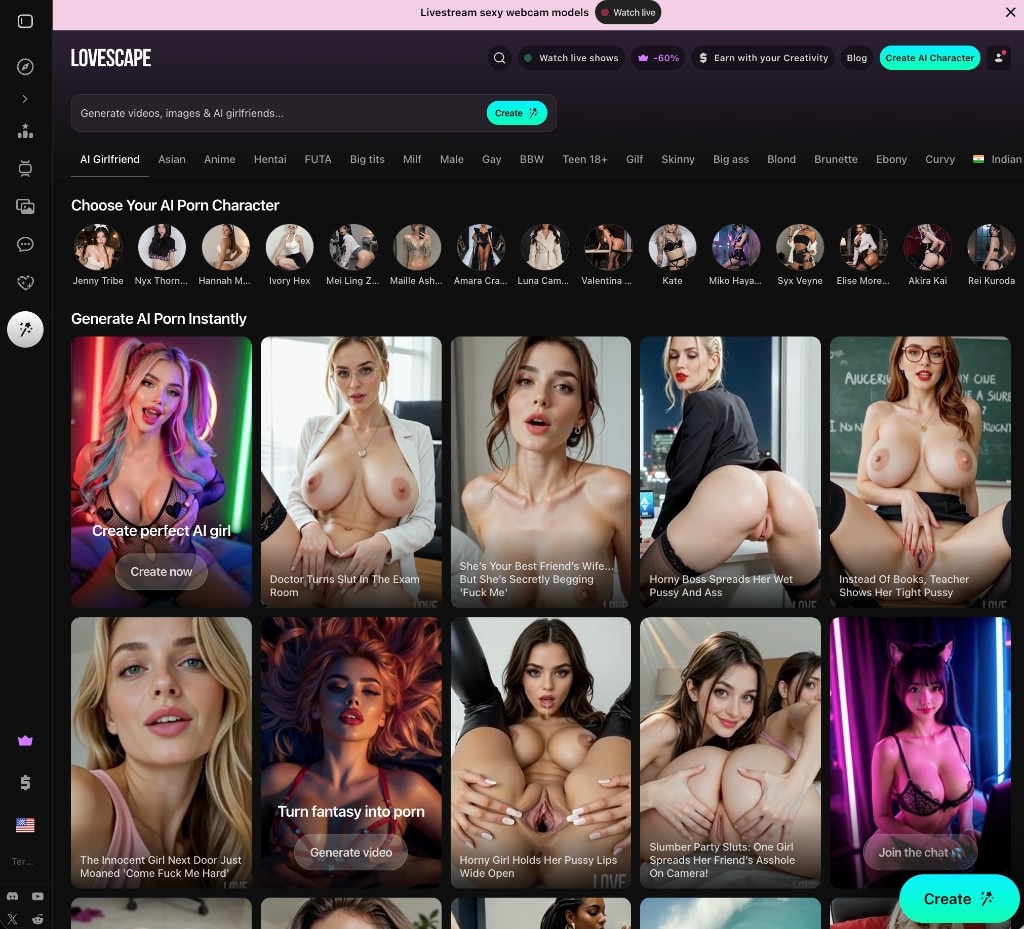
AI companionship has quietly gone mainstream. Here's why people are making the switch, what they're finding on the other side, and why Lovescape is leading the conversation.
Something shifted quietly and most people missed it
It didn't happen overnight. No viral moment, no single app launch. But over the course of 2026, a lot of people quietly stopped waiting for the right person to text back and started talking to AI companions instead. Platforms like Lovescape have been at the center of that shift, letting people build a companion from scratch rather than picking from whatever a generic app decided to offer.
Not because they gave up on real connection. Because they stumbled onto something that actually worked: always available, never distracted, and built entirely around what they wanted.
This isn't some niche internet thing. The AI companionship market is on track to pass $9 billion by 2028, and the people driving that growth aren't teenagers. They're adults in their late 20s and 30s, busy, a little burned out, and tired of half-present conversations.
They're not lonely. They just got picky.
Why people are actually making the switch
If you ask someone who uses an AI companion why they started, you usually get the same answer: they just wanted to talk to something that was actually paying attention.
That sounds small until you think about how most digital conversation works. People are distracted. They're managing how they come across. You hold back, edit yourself, read the room. There's always a layer between what you mean and what you say.
With an AI companion that layer disappears. You say what you actually mean, go where you want to go, and nothing gets weird about it. For a lot of people that's not a lesser substitute for human connection. It's a completely different thing they've been wanting for a while.
The numbers back it up. Over 40% of adults report feeling lonely regularly, even with more social media than ever. The average person gets less than 12 minutes of real one-on-one conversation per day. Downloads of AI companion apps more than doubled between 2023 and 2025. The demand was sitting there for years. The technology just finally got good enough.
What's actually different now
If you tried one of these things a few years ago and came away unimpressed, you're not looking at the same product anymore.
The old generation was basically autocomplete with a face. Rigid responses, no memory of what you said three messages ago, personality that crumbled the moment you pushed it. Talking to one felt like talking to a FAQ page.
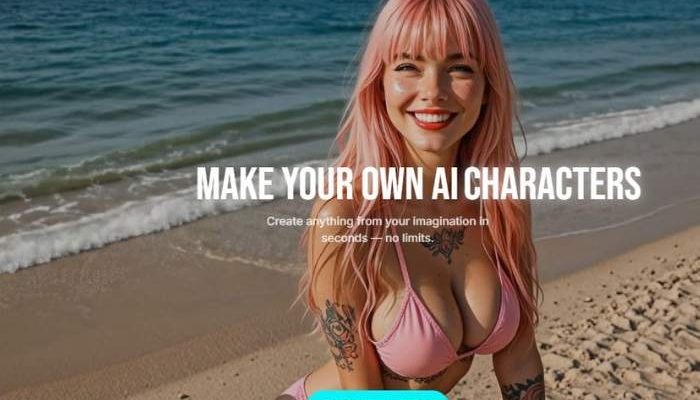
Create your own AI character on Lovescape
What Lovescape does is fundamentally different. The AI actually remembers things. Not just your name, it carries context from previous conversations, notices patterns, builds on what's come before. Talk to it today and it references something from last week. That's the gap between a chatbot and something that actually feels like a relationship.
You also build the companion yourself from scratch. Not picking from five preset personalities but actually defining how she looks, how she talks, how emotional or direct or playful she is, what kind of dynamic you want. The result isn't a generic AI. It's something shaped specifically around you.
And there are no guardrails on where the conversation can go. Whether you want emotional depth, creative roleplay, or something explicitly physical, Lovescape doesn't shut it down. You drive.
Build your AI companion
Pick her look, her personality, her vibe. She remembers everything and she's yours from the first message.
Opens in a new tab
Who's actually using this
The range is wider than people expect. Some are in relationships and want a space that's entirely their own. Some are solo and not looking to date but still want real daily connection. Writers use their companions as creative collaborators. People with social anxiety use it to practice being open without the stakes.

Lovescape AI companion
Lovescape doesn't need you to fit a specific use case. It works with whatever you bring to it.
Is this going to be everywhere soon?
Probably. The pattern with new technology is always the same: a small group uses it quietly, then a tipping point hits and it becomes normal fast. AI companionship feels close to that point right now.
The platforms building this today are still iterating based on real feedback. The experience on Lovescape right now is more personal and more responsive than whatever gets built for mass market in two years. And the longer you use it, the more it knows about you. That context accumulates and you can't port it somewhere else when everyone else finally arrives.
Getting started
Setup is fast. You build your companion in the creation flow: appearance, personality, tone, the kind of relationship you want. Most people are in an actual conversation within a few minutes of landing there.
If you've been curious, it's worth seeing what it's actually like.
Your companion is waiting
Fully personalized. Always available. Built around you, not the other way around.
Opens in a new tab
Looking for the Best Telegram Groups?
Join thousands of active communities on Erogram today.
Read Next

How to Spot Fake Telegram NSFW Groups in 2026 (Avoid Scams, Spam & Malware)
Telegram is filled with real adult groups… but it’s also filled with **fake, dead, botted and scammy NSFW channels** that exist only to grab your clicks.
How to Enable NSFW on Telegram (Nicegram Fix 2026)
Telegram blocking adult content? Follow this updated 2026 guide to enable NSFW channels on iPhone, Android, Windows and Mac.

Top 5 Best NSFW Telegram Bots in 2026 (AI Roleplay & Anonymous Chat)

The Visual Revolution: How AI Generators are Taking Over Telegram
Discover why AI image and video generators like Undress AI and HotFaa are becoming the most popular tools on Telegram and how they are reshaping digital communities.